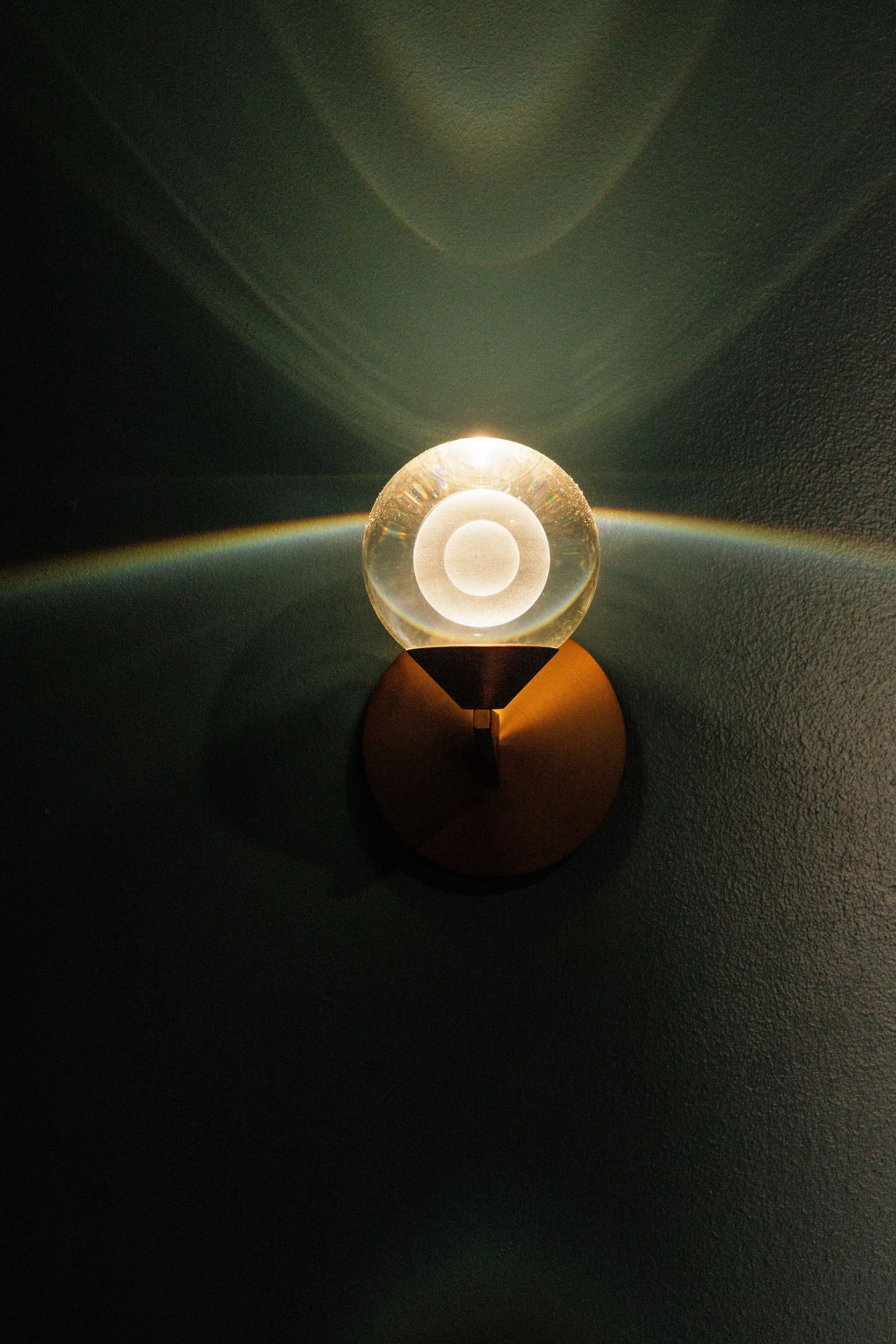
How to Light Your Boutique Hotel or Restaurant So Guests Feel the Difference
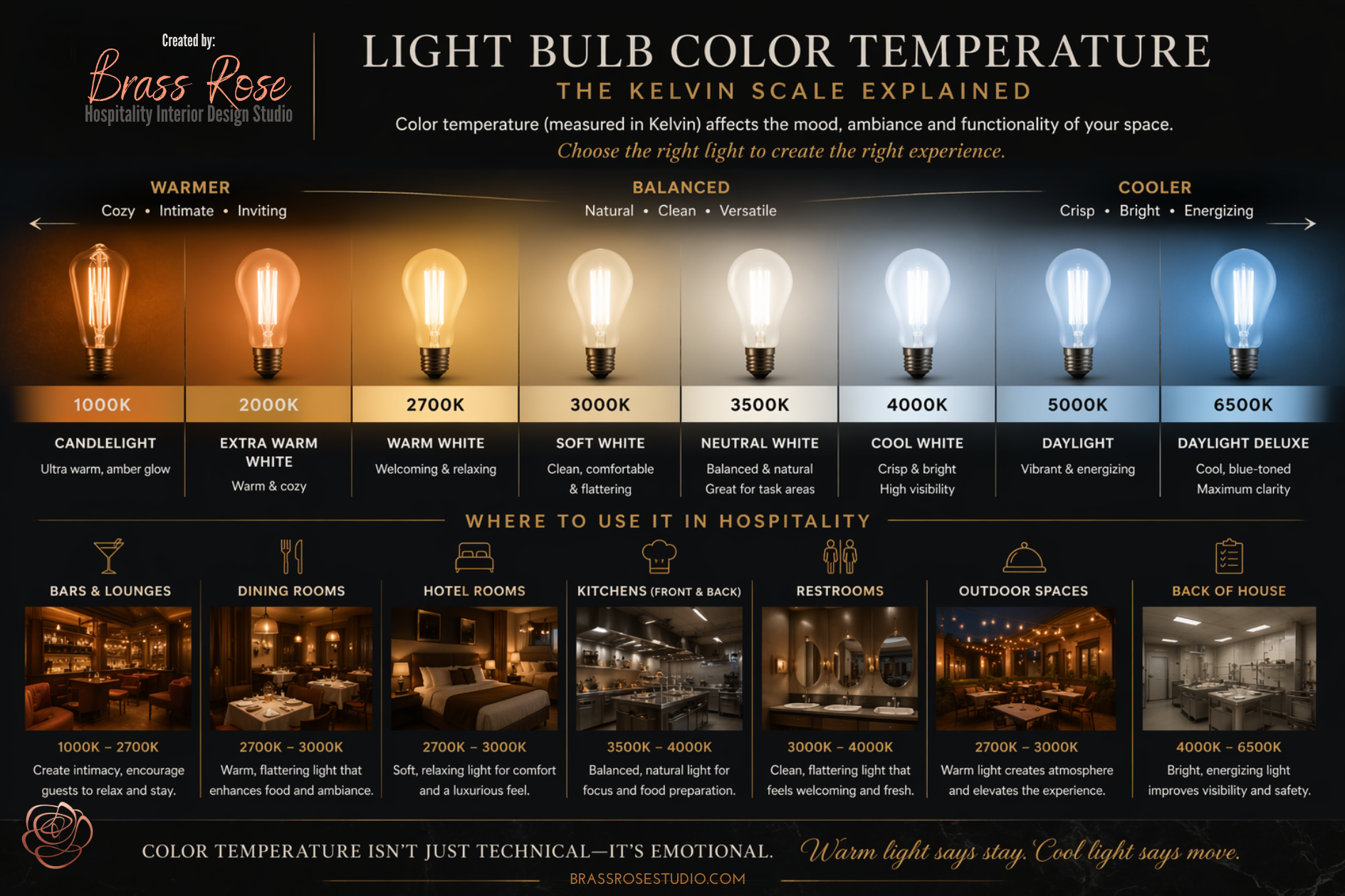
In hospitality, guests feel the light before they register anything else in the room. Before they notice the furniture, the finishes, or the art on the walls, their body makes a faster decision: Does this space feel warm or cold, intimate or exposed, magnetic or forgettable?
That first impression is not accidental. It is a lighting decision.
For boutique hotel and restaurant owners, lighting isn’t just décor or a last-minute fixture order. It’s one of the most powerful tools you have to shape mood, behavior, and revenue — from how long guests stay to how much they spend and what they remember.
This is how to think about lighting your boutique hospitality business properly, so guests actually feel the difference.
1. Light as the First Impression
When a guest steps into your lobby, dining room, or bar, they step into a story — whether you intended to write one or not.
Good hospitality lighting does three things immediately:
Sets the emotional temperature. Soft, warm light tells guests they can exhale. Overhead glare tells them to hurry. Cold, blue light makes your bar feel like a waiting room instead of a place to linger.
Signals what kind of experience this is. Editorial contrast and pools of shadow say “boutique, intimate, designed.” Flat, uniform lighting reads as generic and interchangeable.
Shows them where to go. The eye will always travel to the brightest point in the room. If the brightest point is the exit sign instead of the host stand, the bar, or the main seating area, the room feels confusing before anyone speaks.
When I walk into a property, I’m looking at light before almost anything else: Where does it pull the eye? Where does it invite the body? Where does it make people hesitate or leave?
2. Lighting as a Revenue Tool, Not Just Décor
Lighting shapes behavior quietly, and in hospitality, quiet design decisions have a way of showing up in your numbers.
Thoughtful hospitality lighting can:
Increase check size. Guests are more likely to order another drink or dessert when they feel comfortable, flattered, and unhurried. Harsh or overly bright light makes people restless.
Shape dwell time. Cozy pools of light and warm tones encourage lingering in lounges and dining rooms. Slightly brighter, clear light in cafés supports quicker turns without feeling rushed.
Improve reviews. People rarely say, “The lighting was perfect,” but they absolutely remember how your space made them feel. Poor lighting often shows up indirectly: “too loud,” “too bright,” “felt sterile,” “just okay.”
Support staff efficiency. Bartenders and servers need to see what they’re doing. Smart lighting keeps menus, work surfaces, and pathways clear and safe without flooding the entire room.
When you treat lighting as a strategic line in your hospitality design — not just a fixture order on a spreadsheet — it becomes a quiet engine behind your revenue and reputation.
If your lobby falls flat at night, your bar photographs better than it feels in person, or your guest rooms are not fully holding the experience you are selling, the issue may not be the furniture. It may be the light.
3. Layered Lighting 101 for Hospitality Spaces
The most inviting hospitality spaces don’t rely on a single source of light. They use layers, each serving a different purpose.
Ambient Lighting
This is your base layer — the overall illumination of the room.
Often from recessed fixtures, ceiling lights, or large pendants.
Should feel soft and even, never like a spotlight.
Sets the background mood: dimmer for intimate bars and dining rooms, a touch brighter for lobbies and breakfast spaces.
Task Lighting
Task lighting supports specific actions.
Reading a menu, mixing a drink, checking in at the front desk, getting ready in a guest room.
Think: reading lamps, under-bar lighting, sconces near mirrors, targeted downlights over the host stand.
Should be clear and functional without harsh glare.
Accent Lighting
Accent lighting draws attention to what matters most.
Artwork, architectural details, back bars, floral arrangements, feature walls.
This is where you create drama, depth, and hierarchy — the difference between a room that feels flat and one that feels cinematic.
Decorative Lighting
These are the fixtures your guests photograph.
Chandeliers, sculptural pendants, glowing orbs, vintage lamps.
They are the jewelry of the room — less about raw light output, more about character and storytelling.
A strong hospitality lighting plan always asks: How do these layers work together? In a well-designed boutique space, no single layer is doing all the work. Ambient sets the tone, task keeps things functional, accent and decorative make the room unforgettable.
4. Designing Lighting by Zone
Your property isn’t one generic box. It’s a series of zones, each with its own job. The lighting should change accordingly.
Lobby + Check-In
Your lobby is the first handshake.
Goal: Make guests feel oriented, welcomed, and safe — without losing mystery.
Approach: Warm ambient lighting with a clear visual path to the front desk or host stand. Accent lighting on key architectural moments: the reception desk, a sculptural arrangement, signature art.
Avoid: Overly bright overheads that make the lobby feel like a bank or office.
Bar + Lounge
This is where intimacy and energy have to coexist without dulling each other.
Goal: Flatter faces and drinks, encourage conversation, and keep the room photogenic without feeling overlit.
Approach: Lower ambient light, strong accent and decorative layers — backlit bar shelving, table lamps, sconces, candlelight. Task lighting is essential behind the bar and at POS stations so staff can work cleanly.
Avoid: Only using downlights that create harsh shadows under eyes, or lighting the bar as brightly as the kitchen.
Dining Room
In the dining room, light needs to respect both the food and the people.
Goal: Guests should see their plates and each other clearly while still feeling held by the room.
Approach: Even, warm ambient light with focused pools over tables. Use dimmers to tune for lunch vs. dinner service. Consider how natural light shifts throughout the day and season.
Avoid: Cold color temperatures that make food look unappetizing, or fixture placement that causes glare on plates, glassware, or artwork.
Corridors + Transition Spaces
These are the liminal spaces guests don’t think about — unless they’re wrong.
Goal: Keep guests oriented and at ease between lobby, rooms, and amenities.
Approach: Consistent, slightly lower light levels than primary spaces, with clear sightlines and small accent moments (art, niche lighting) so corridors feel intentional, not forgotten.
Guest Rooms
Guest rooms should never rely on a single overhead fixture.
Goal: Give guests multiple “scenes” — working, resting, getting ready — with simple controls.
Approach: A mix of bedside lamps, floor or reading lights, subtle ceiling or cove lighting, and well-placed task lighting at mirrors or desks. Include dimmers wherever possible.
Avoid: Letting one central ceiling fixture do all the work. It flattens the room and kills the sense of sanctuary.
5. Common Lighting Mistakes in Boutique Hospitality Spaces
Even beautifully designed properties can be undermined by a few predictable lighting errors.
Here are issues I see again and again:
Only overhead cans. A grid of recessed fixtures with no lamps, sconces, or accent light leaves the room feeling exposed and unfinished.
Lights that are too bright or too blue. High color temperatures and un-dimmed fixtures make a bar or dining room feel clinical. Warmth matters.
Inconsistent fixture styles. Mixing too many fixture types, finishes, or color temperatures across one property breaks cohesion and makes even expensive design look pieced together.
Ignoring natural light. Treating the room the same at noon and at midnight wastes one of your best assets. Daylight, window orientation, and seasonal shifts all matter.
Designing for the photo, not the body. A space can look incredible in a single still image and still feel uncomfortable in person if the lighting is too harsh, too contrasty, or badly placed.
Each of these is fixable — but they’re much easier to avoid when lighting is part of the original hospitality interior design, not a last-minute patch.
6. How a Hospitality Interior Designer Builds the Lighting Plan with Your Team
You don’t have to solve all of this alone — and you shouldn’t.
On a boutique hotel or restaurant project, a hospitality interior designer acts as the experience lead for lighting, then collaborates with your wider team to make it real.
Here’s what that looks like in practice:
Concept + Story
We start by clarifying the brand story and the kind of experience you want guests to have in each zone: lobby, bar, dining room, corridors, guest rooms, amenities.
Zoning + Layout
We map out how people move, where they pause, where they gather. The lighting plan is created alongside the floor plan, not after.
Layering + Fixture Selection
We decide where ambient, task, accent, and decorative lighting belong — and select fixtures that support both function and aesthetic. This is where your “signature” moments emerge.
Coordination with Electricians and Engineers
We work with electrical engineers and contractors to make sure the plan is code-compliant, properly circuited, and realistically installable — without sacrificing the mood.
On-Site Adjustments
Once fixtures are in, we walk the space, tune dimmer levels, adjust aiming, and check how everything feels at different times of day. A small aiming or dimming change can transform a room.
Fine-Tuning After Opening
Real guests will show you how the space is used. We can refine levels, swap bulbs, or adjust scenes so your lighting serves the way the property actually lives, not just how it looked on drawings.
When you bring a hospitality interior designer into the process early, lighting becomes an integrated part of your concept — not a compromise.
Ready to See Your Hotel or Restaurant in a Better Light?
If your lobby falls flat at night, your bar photographs better than it feels in person, or your guest rooms are not fully holding the experience you are selling, the issue may not be the furniture. It may be the light.
Properly layered, intentional lighting is one of the quietest ways to transform how guests move, spend, and remember your space.
If you’re ready to:
Rethink how your lobby, bar, dining room, and rooms are lit,
Align mood, safety, and revenue instead of choosing between them, and
Work with a design partner who understands both the aesthetics and the technical side of hospitality lighting, this is the moment to bring a hospitality interior designer into the conversation.
If you are ready to shape a property that feels as powerful in person as it does in concept, book a lighting-focused interior design consult for your boutique hotel or restaurant — and let’s see what your property is capable of when it is finally seen in the right light.